Waste We Manage
GRG processes waste depending on the waste stream itself and its collection method (mixed or segregated). All GRG sites have waste licences and regulatory approval for their processing activities. The group operates waste processing solutions for:
- Commercial waste
- Hazardous waste
- Dry recyclables
- Aggregates and inert waste
- Scrap Metal
- Container reconditioning and recycling
- Liquid waste
- E-waste and batteries
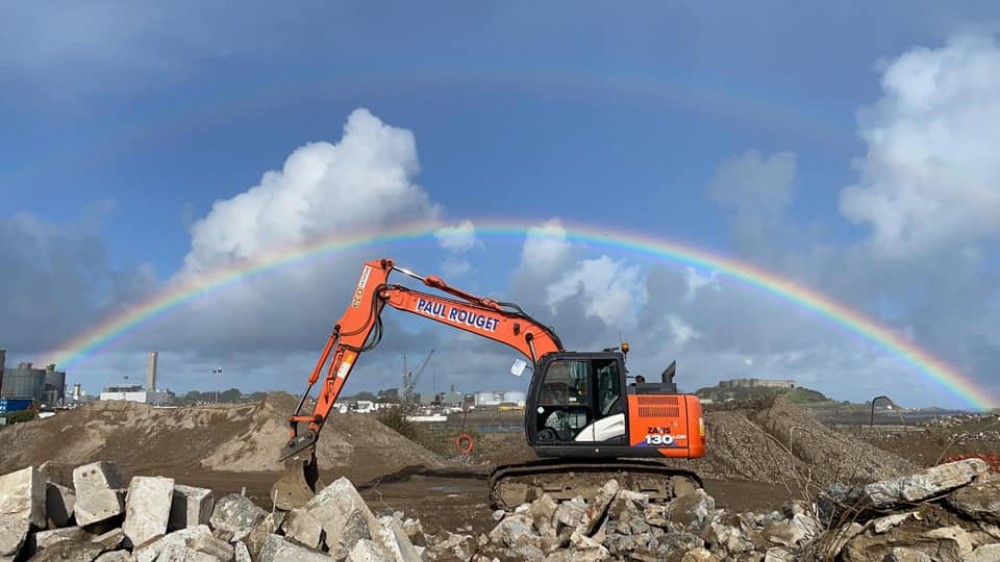
Aggregates and inert waste
GRG offer aggregate recycling and demolition services in the Cayman Islands and the UK. Their combined knowledge and experience of plant, materials and trade, and continued investment in specialist equipment, our teams are well placed to handle the demolition and excavation projects in a commercially competitive and environmentally responsible way.
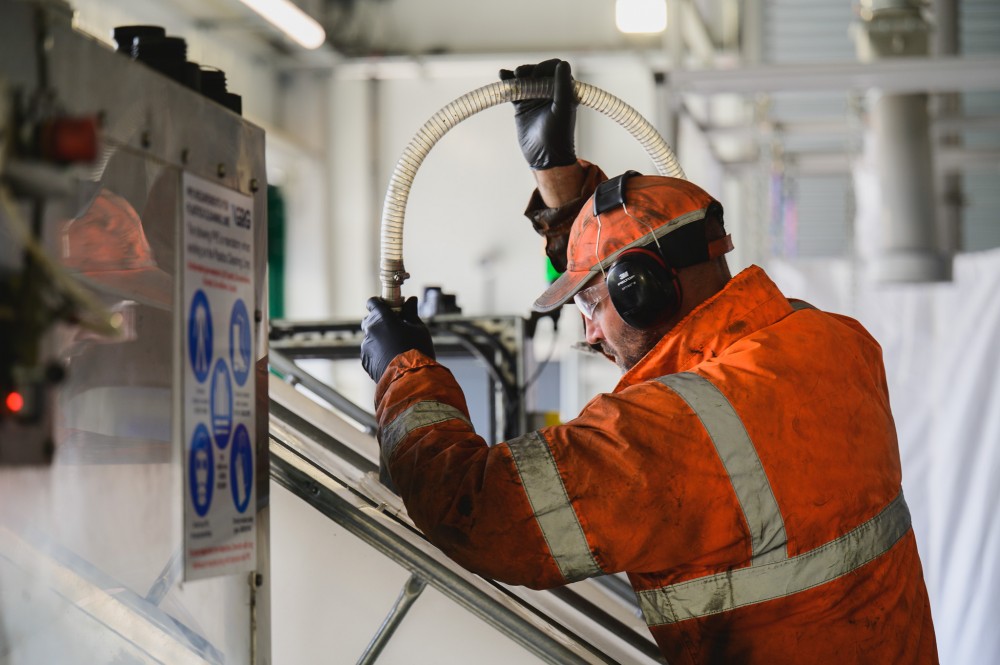
Container reconditioning and recycling
In the UK, we have recently invested in a brand-new Container Reconditioning and Recycling Plant. The process is designed to thoroughly clean and optimally recondition contaminated containers for reuse, and granulate the plastic and steel components of smaller or damaged containers to prepare for onward recycling.
The process works in 3 stages, first all types of containers are decontaminated. IBC containers are then sent for complete cleaning, drying, and pressure testing, and containers abiding by UN standards are safe for reuse. Small and damaged containers not suitable for reuse are granulated, washed, and used as raw material for container manufacturing.
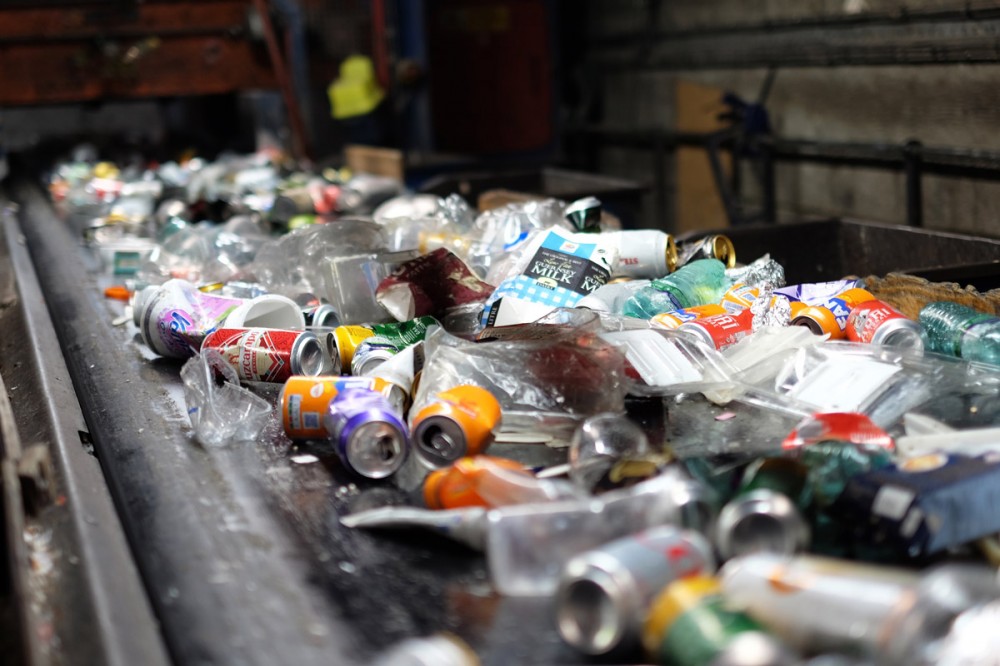
Commercial waste
Commercial and demolition waste is processed through a ‘dirty’ MRF. The waste originates from a broad range of commercial and public sources in a mixed state, inclusive of all potential waste types. This mixed waste requires specialist processing to maximize reclamation of recyclables and refuse derived fuel (RDF), to minimise the amount of waste that goes to landfill.
GRG operate dirty MRFs with industry leading plant and equipment designed to maximize the recycling and recovery rate from this waste stream.
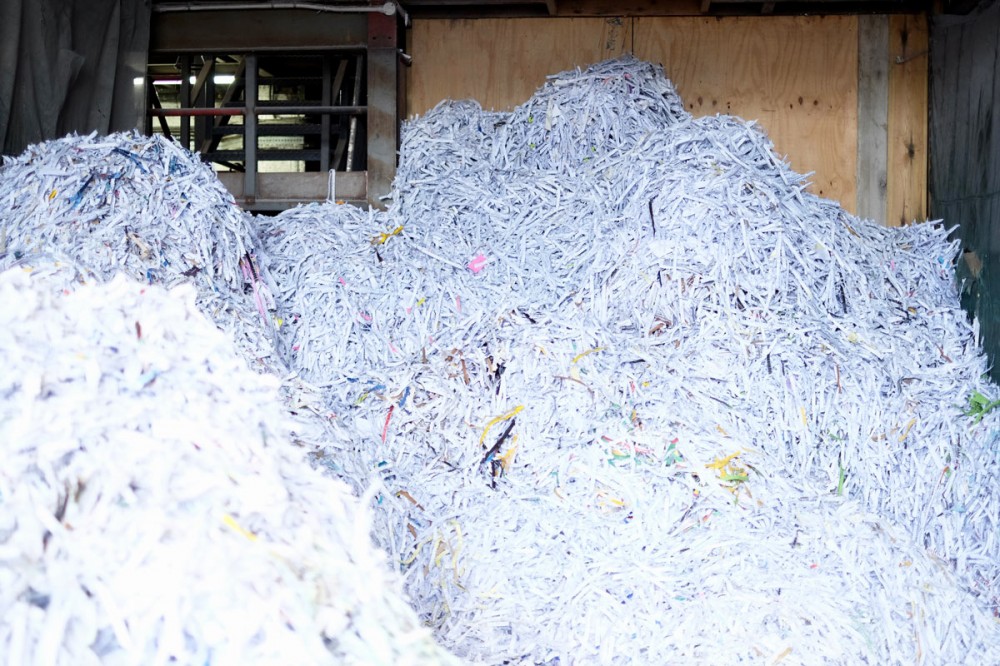
Dry Recyclables
Household and commercial dry recyclables are processed through a ‘clean’ Material Recovery Facility (MRF). This waste stream originates from a segregated or co-mingled collection from public and commercial sources. The process extracts clean recyclables such as paper, cardboard, mixed plastics, tins and cans.
GRG operate clean MRFs with industry leading plant and equipment designed to maximize the recycling rate from this waste stream.
E-waste and batteries
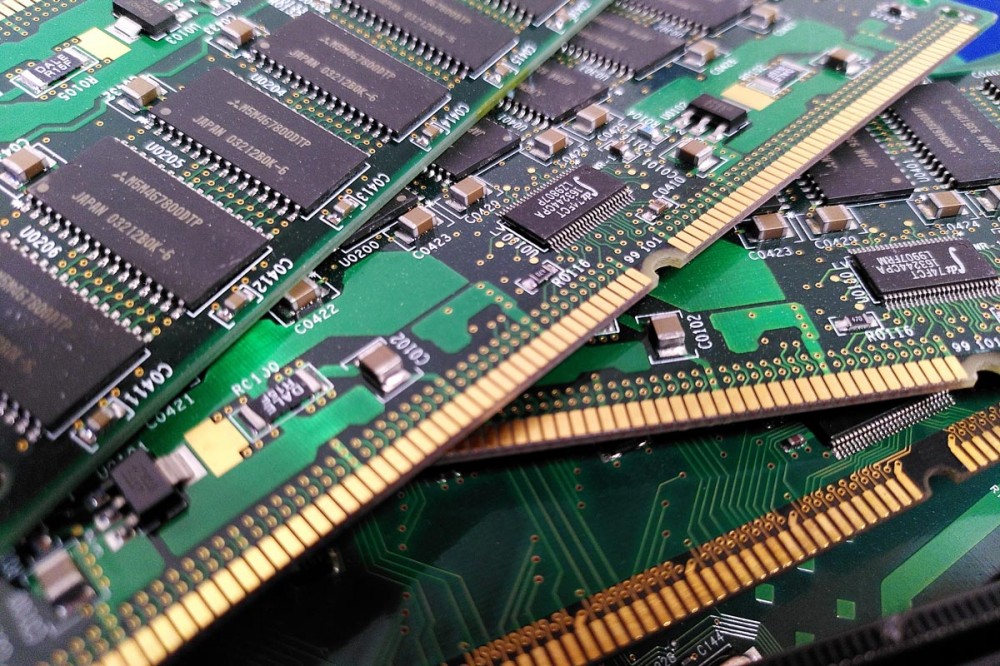
E-waste is an ever-growing segment of the waste stream. Companies are facing increasingly onerous compliance laws in the handling and ultimate destruction of personal data. A forthcoming EU General Data Protection Regulation (expected in 2018 but with adoption already taking place) headlines that breaches can lead to multi-million Euro fines. GRG recognizes the importance of this critical regulation and has developed secure destruction services that enable our customers to reach compliance.
GRG provides customers with secure data wiping and data destruction services as well as a full recycling or re-use service for discarded IT equipment. Our accreditation for the secure destruction and disposal of electronic hardware is globally recognized as the highest standard available.
Hazardous waste
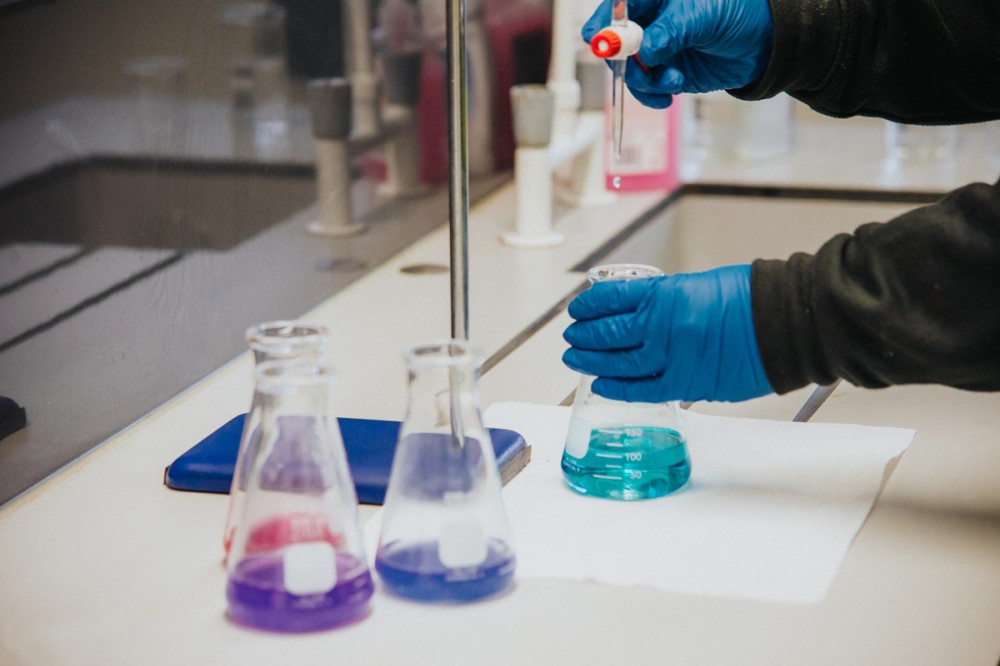
Specialist and highly regulated, hazardous waste commands a rigorous waste service. Originating from sources such as manufacturing, chemical, aerospace and oil industries, we enable our customers to prepare their hazardous waste compliantly before it leaves site, and from there provide a fully audited waste service for disposal.
GRG operate Waste Transfer Stations where a range of hazardous waste steams, including chemicals, WEEE, aerosols, lab smalls, paints, oily rags and asbestos are all accepted.
Liquid waste
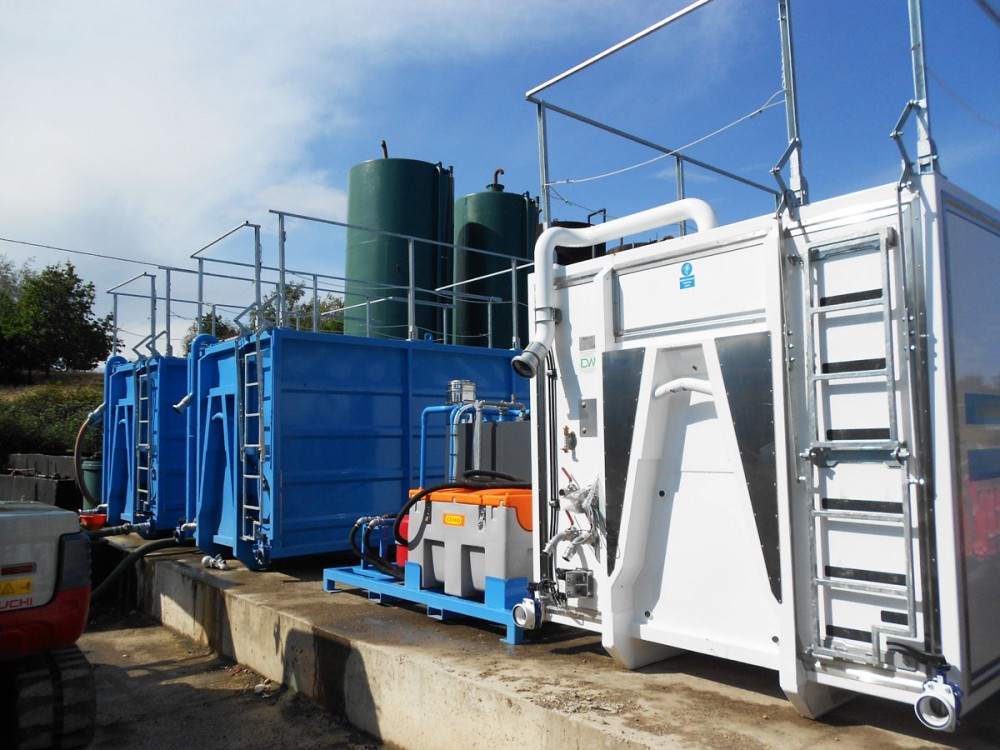
Focused on sludges containing a high percentage of water, our treatment processes separate out hydrocarbons, water and solids/inert for recycling and disposal.
Liquid waste streams we can treat include onshore drilling mud, interceptor solids and gully waste, oily water, high Solid Wastes, leachates, food wastes, sewer grits and screenings, pond, lagoon and river silts and solids.
Scrap metal
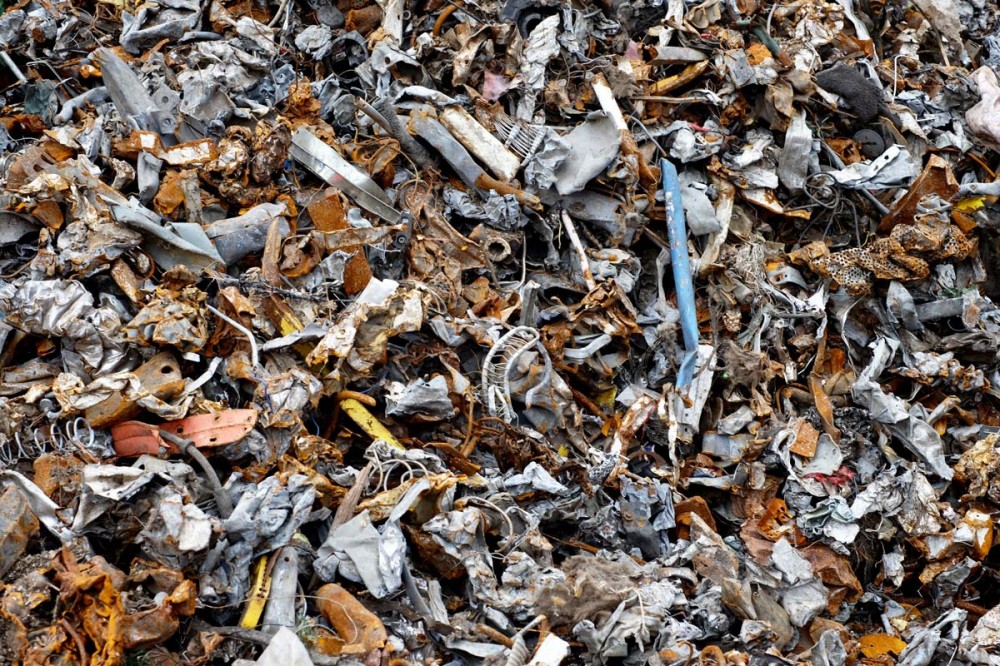
The waste metal originates from commercial and public sector sources. Waste metals include industrial and commercial construction and demolition metal, End-of-Life-Vehicles (ELVs), domestic appliances such as washing machines and fridges, boilers, piping, roofing, and window frames.
Both ferrous and non-ferrous metals require specialist processes to recover the maximum amount of recyclable metal. GRG operates scrap metal recycling facilities using a range of plant and equipment including a shear and shredder recovery system, as well as an ELV Depollution plant (vehicles are drained of all oils and lubricants for recycling before metal processing begins).